Slate has been used in British homes for generations, and there is a good reason it has never really gone out of fashion. It is natural, tough, practical and full of character. No two pieces are exactly alike, so slate brings depth and texture to a space without needing bold colours or elaborate decoration.
For homeowners trying to make more considered choices about the materials they use, slate is worth a closer look. It has a long working life, needs very little upkeep and can be used in far more places than people often realise.
Why slate is a considered material choice
Natural slate is formed over millions of years and is valued for its density, durability and distinctive split surface. When chosen from a responsible supplier and used for the right application, it can last for decades.
Its longevity is one of its strongest environmental advantages. Materials that need frequent replacement create more waste, cost more over time and use more resources in the process. Slate, by comparison, is built for the long haul.
It is also low maintenance. Slate does not need regular painting, staining or chemical treatment. In many settings, a regular clean is enough to keep it looking smart. Its natural finish has the added benefit of disguising everyday dust and marks better than highly polished surfaces.
At Winkleigh Timber, we believe sourcing matters. We work closely with suppliers and select natural materials for their quality, authenticity and ability to stand the test of time.
Slate flagstones for patios, paths and garden details
Slate flagstones are an excellent option for patios and paths. The dark, textured surface creates a grounded look that works well with greenery, timber, brick and rendered walls.
A slate patio can suit a contemporary extension just as easily as a Devon cottage. Pair it with pale gravel and architectural planting for a crisp modern finish, or soften it with terracotta pots, ferns and flowering borders for something more relaxed.
Slate is also useful for smaller garden features. It can be used for steps, path edging, wall copings and decorative areas around water features or planters. A few well-placed slate pieces can tie a garden together without covering every inch in paving.
Slate roof tiles: built for British weather
A slate roof has a classic appearance that works particularly well on period homes, rural properties and buildings where appearance matters just as much as performance.
Natural slate is non-combustible and highly resistant to changing temperatures. It also resists fungus and mould, which makes it a strong choice for the British climate. When professionally installed and properly maintained, a slate roof can provide many decades of service.
The colour of slate also tends to age well. Rather than looking dated, it develops a settled appearance that suits both older buildings and carefully designed new homes.
Roofing is a major investment, so it is sensible to discuss the right slate size, fixing method and roof pitch with an experienced roofer before ordering materials.
Slate worktops and hearths
Inside the home, slate has a quieter but equally useful role.
Slate hearths are a natural fit around wood burners and fireplaces. Their ability to cope with heat, combined with their rich colour and lightly textured surface, makes them practical and attractive. A simple slate hearth can make even a modern stove feel established in the room.
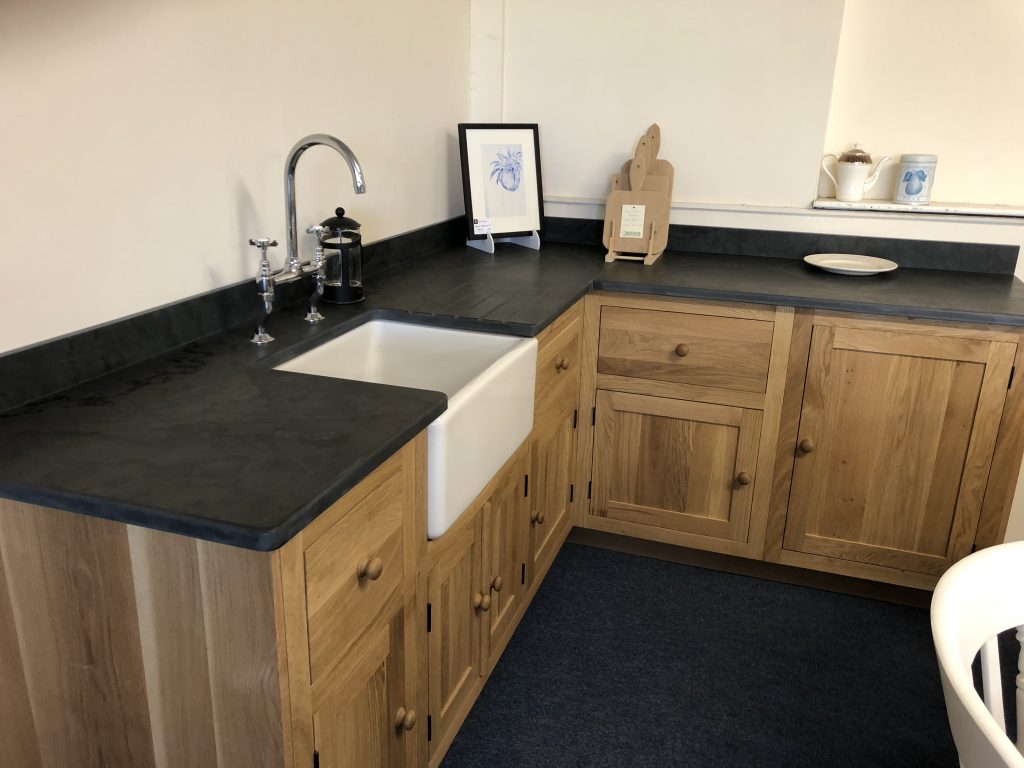
Slate worktops are another option for kitchens, utility rooms and boot rooms. They bring a tactile, slightly rustic finish that works well alongside painted cabinetry, timber units and exposed brick. They are especially effective in rooms where you want materials to feel honest rather than overly polished.
Creative ways to use slate indoors
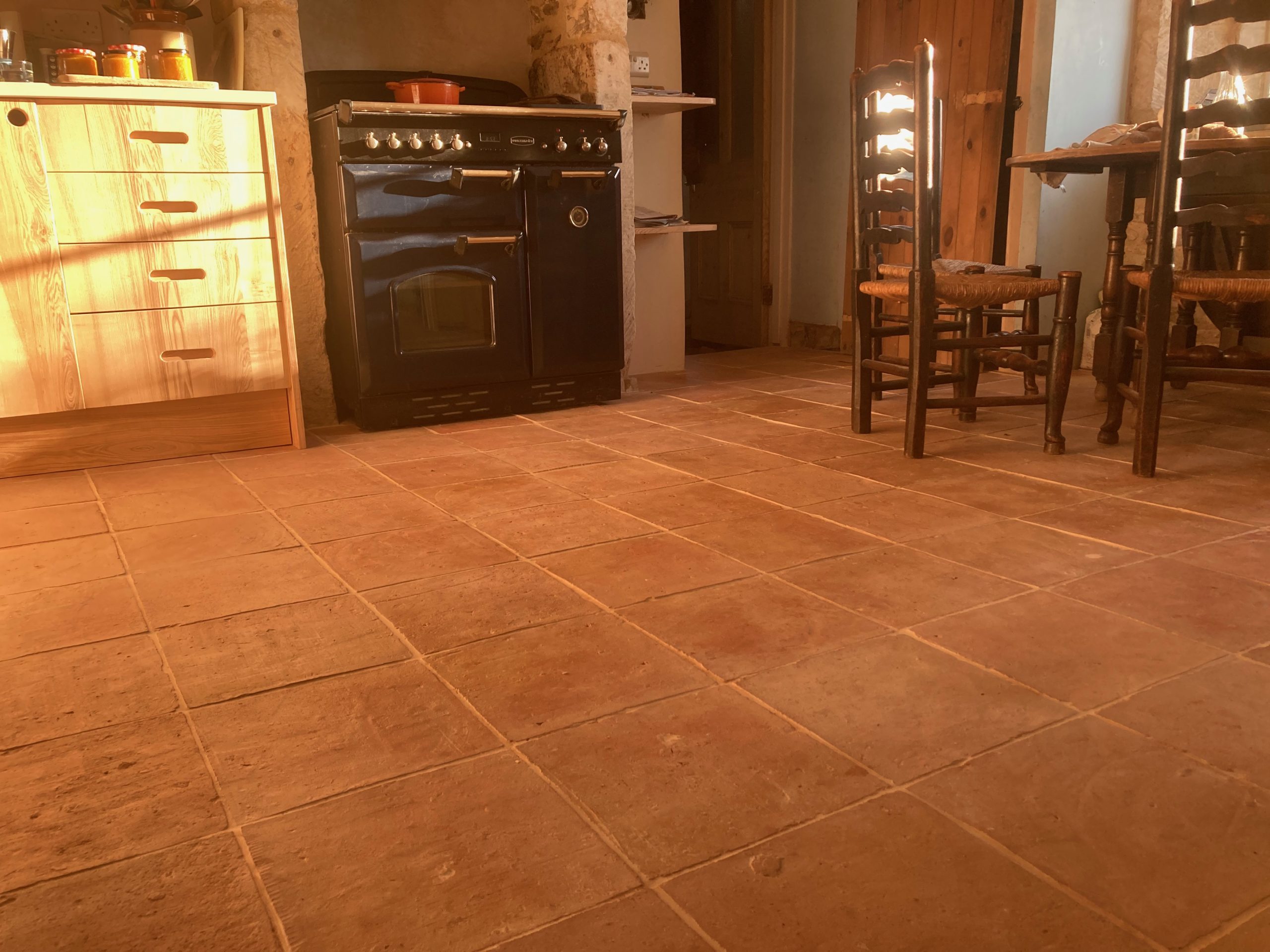
Slate flooring can work beautifully in hallways, kitchens and garden rooms, where durability matters most. Wall cladding is another option, creating a striking feature wall around a fireplace, entranceway or exterior elevation.
Slate tiles can also be used in bathrooms, as long as the surface is suitable for the area and properly sealed where necessary. The natural variation in the stone brings warmth to rooms that might otherwise feel clinical.
The best use of slate is often the simplest. Let the material speak for itself and pair it with timber, soft lighting and natural textiles.
At Winkleigh Timber, we supply slate products for homes and gardens, including roofing slate, flagstones, hearths and worktops. Come and see the texture, colour and variation in person before making your choice.
FAQs
Is slate environmentally friendly?
Slate can be a more responsible choice because it is natural, durable, recyclable and capable of lasting for decades. Responsible sourcing remains an important part of the decision.
Is slate suitable for kitchen worktops?
Yes. Slate worktops are heat-resistant, durable and distinctive. They are particularly suited to kitchens, utility rooms and boot rooms.
Can slate be used outside?
Yes. Slate flagstones, steps and garden features are popular outdoor uses. Choose a product suitable for external conditions and ensure the area has proper drainage.
How long can a slate roof last?
A properly installed natural slate roof can last for many decades, with some slate roofs lasting well beyond a century.
Does slate need sealing?
It depends on where and how it is used. Indoor slate in kitchens, bathrooms or high-use areas may benefit from sealing, while roof slate and some exterior applications are treated differently.