What Is ‘Reclaimed Wood’? An Expert’s Guide
We never planned to build a business around reclaimed timber. In fact, John — our founder — had spent most of his life working with machinery, not wood. It all started when he bought an old timber yard to use as storage. But soon, the charm of aged beams and weathered boards caught his eye, and the steady demand for quality wood became impossible to ignore. Thanks to long-standing connections in the demolition trade, sourcing old timber came naturally, and before long, a small side project had grown into something much bigger. More than 35 years later, it’s safe to say we know a thing or two about reclaimed timber. So if you’ve landed here wondering – what is reclaimed wood – then you’re in the right place.
We’re still uncovering remarkable finds across the UK every day – from oak beams in barns to pine planks in old factories. Each piece has its own story, and that’s exactly what makes reclaimed timber so special. But what is reclaimed wood, really, and why has it become such a favourite for flooring, furniture and home design? Let’s take a closer look.
What Qualifies as Reclaimed Wood?
True reclaimed wood is timber that has been salvaged and repurposed from previous use. Some of our favourite UK sources include:
- Barns and agricultural buildings: Old oak beams and pine planks.
- Railway sleepers: Sturdy and dense, ideal for garden landscaping or rustic furniture.
- Demolished buildings: Floorboards, joists, beams and panelling from homes, factories and warehouses.
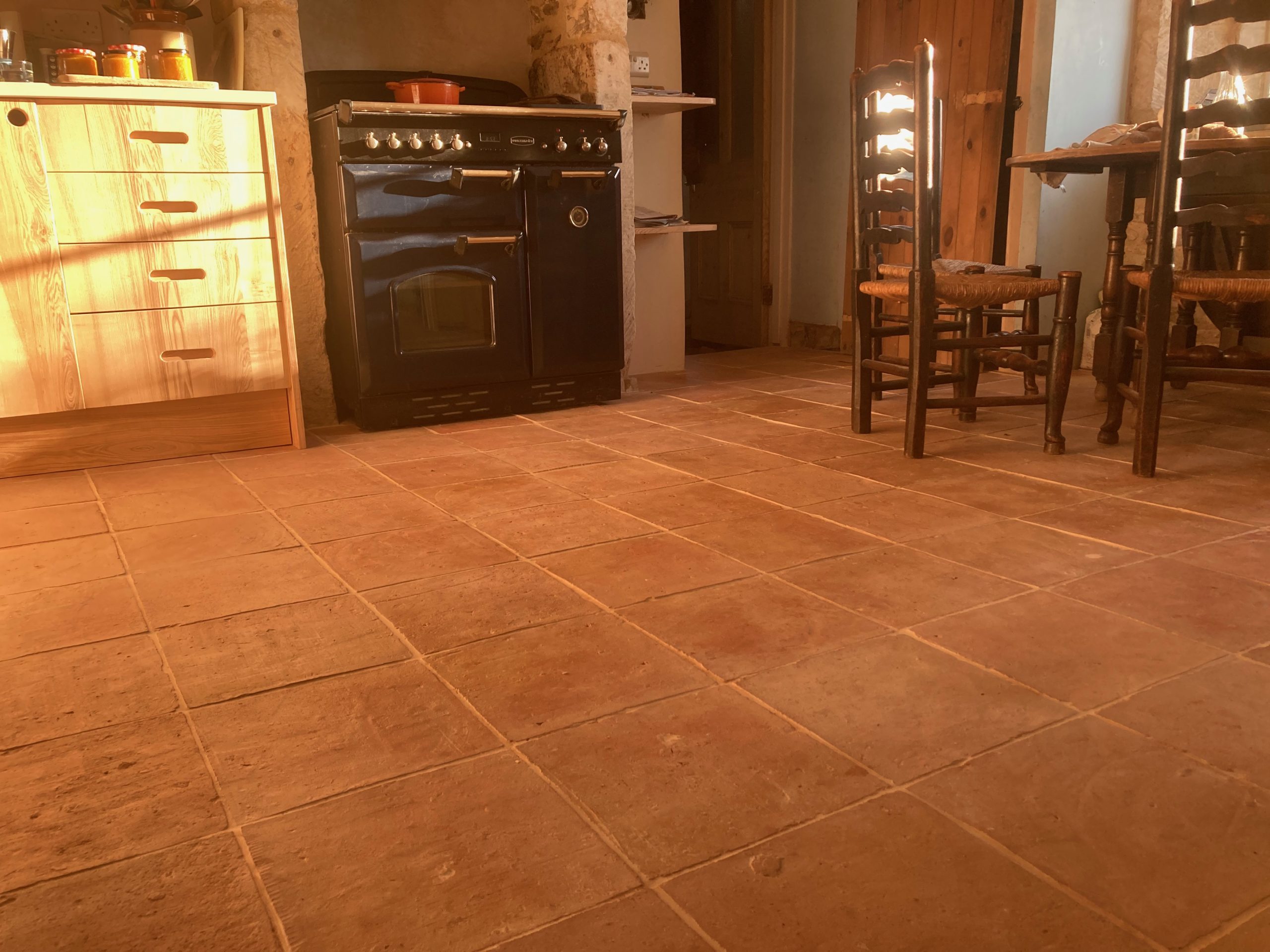
At Winkleigh Timber, most reclaimed stock comes from demolition projects across the UK. Our team carefully recovers timber (and often unique bricks, tiles and flagstones) before preparing it for resale from handmade doors to stunning floors.
Reclaimed vs. Recycled vs. Salvaged: What’s the Difference?
If you do a quick search for – what is reclaimed wood – you’ll often see other terms pop up. They’re related, but not identical:
- Reclaimed: Timber taken directly from old structures and reused with minimal processing.
- Recycled: Wood that’s been broken down (chipped or pulped) before being re-manufactured into new products.
- Salvaged: A broader term that may include wood and other building materials saved from disposal.
The key distinction is that reclaimed wood retains much of its original form and character, making it highly desirable for projects that want authenticity.
Sustainability and UK Sourcing Regulations
Choosing reclaimed timber helps lower carbon emissions by reducing the need for fresh logging. In the UK, we follow strict guidelines around:
- Chain of custody – Ensuring the wood has been ethically sourced.
- Waste reduction – Diverting valuable building materials from landfill.
- Local supply – Focusing on UK demolition projects to cut transport miles.
For the more eco-conscious among us, this means investing in reclaimed wood furniture and fittings is a more responsible choice.
What Is Reclaimed Wood Used For?
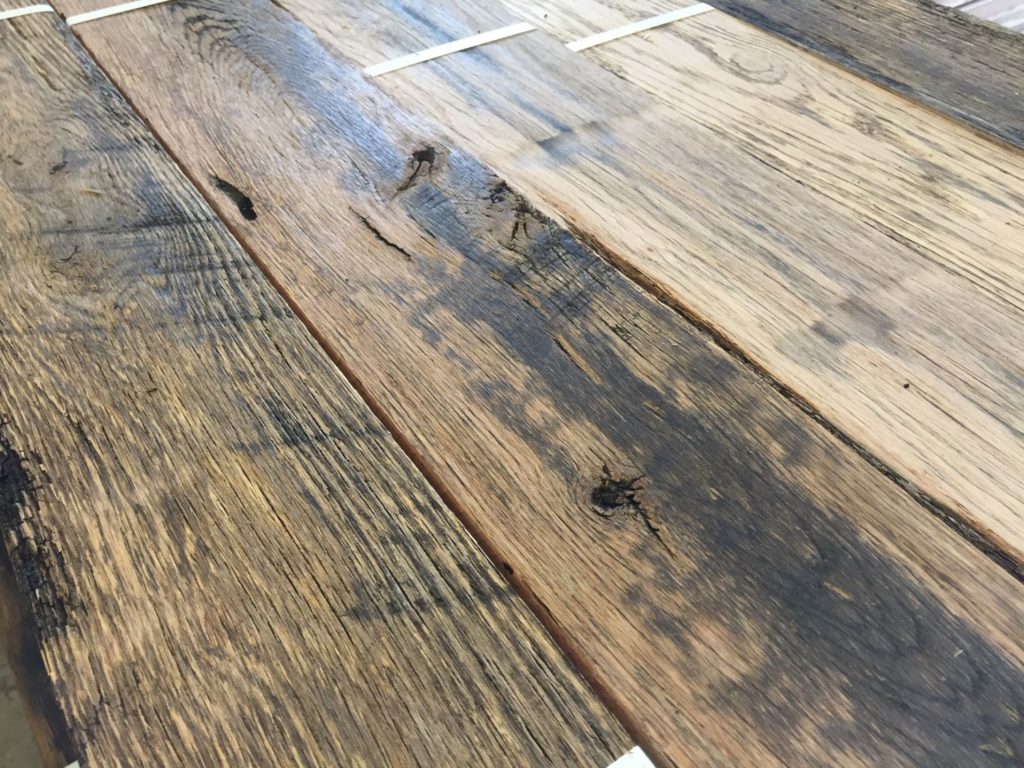
One of the most exciting things about reclaimed timber is how many ways it can be used. Because each piece carries its own character, the results are always unique. It’s hard not to fall in love with the knots, marks and faint traces of past lives.
Reclaimed wood lends itself beautifully to home improvements – whether it’s the addition of one standout piece like this “half-tonne” table, or full floor-to-wall cladding and dramatic exposed beams. In the kitchen, reclaimed timber can be transformed into solid worktops, cabinets or even an island. And let’s not forget the garden: raised beds, steps, or rustic borders can all be made from reclaimed timber.
Part of the appeal is that a reclaimed material is often denser and more resilient than new wood, meaning it not only stands up to daily use but also matures gracefully, developing even more character as the years go by.
Summary: What Is Reclaimed Wood Used For
- Flooring: Wide planks with history underfoot.
- Furniture: Tables, shelving and benches that tell a story.
- Home Improvements: Feature walls, beams and panelling that add warmth.
- Kitchens: Worktops, cabinets and islands that bring natural character indoors.
- Gardens: Railway sleepers for raised beds or rustic borders.
At its heart, reclaimed wood is about history, character and giving old materials new life in modern homes and gardens. Every board and beam has travelled through time, whether it once supported the roof of a barn, formed part of a factory floor, or carried the footsteps of families in a Victorian home. For more reclaimed wood inspiration, check out some of our past projects.
FAQs About Reclaimed Wood
Is reclaimed wood safe to use indoors?
Yes, when sourced and prepared correctly. Reputable suppliers will clean and treat the wood before resale.
Can reclaimed wood be used for structural projects?
It depends on the grading and condition. Always check with your supplier before using it for load-bearing purposes.
Is reclaimed wood more expensive than new wood?
Not always. Prices vary by rarity, size and demand. While rare finds may cost more, reclaimed timber often offers better long-term value.
How do I know if wood is truly reclaimed?
Buy from trusted suppliers who specialise in reclaimed materials and can provide details about the wood’s origin.