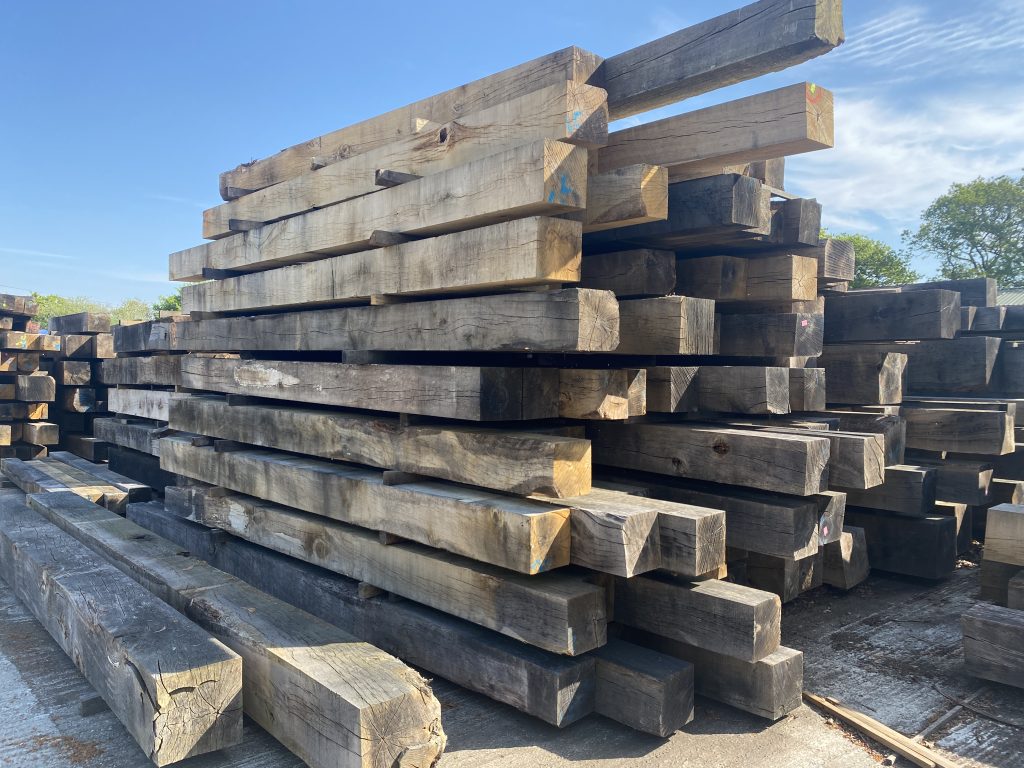
There’s something really grounding about oak. In an age of glass extensions and pared-back plasterwork, oak brings weight, texture and a safe anchoring feeling. Many designers turn to oak for its honesty. The grain is visible, the knots unapologetic, the tone warm without feeling rustic cliché.
The Art of Oak Beams in Interior Design
Door Frames and Lintels with Substance
The use of oak in interior design doesn’t need to be dramatic to be effective. Replacing painted softwood frames with oak door surrounds or introducing exposed lintels above internal doors adds a quiet rhythm throughout a house.
In barn conversions and period-style renovations, this approach reinforces architectural character. In newer homes, it introduces the suggestion of structure; a nod to craftsmanship without undertaking major building work.
The Fireplace as Focal Point
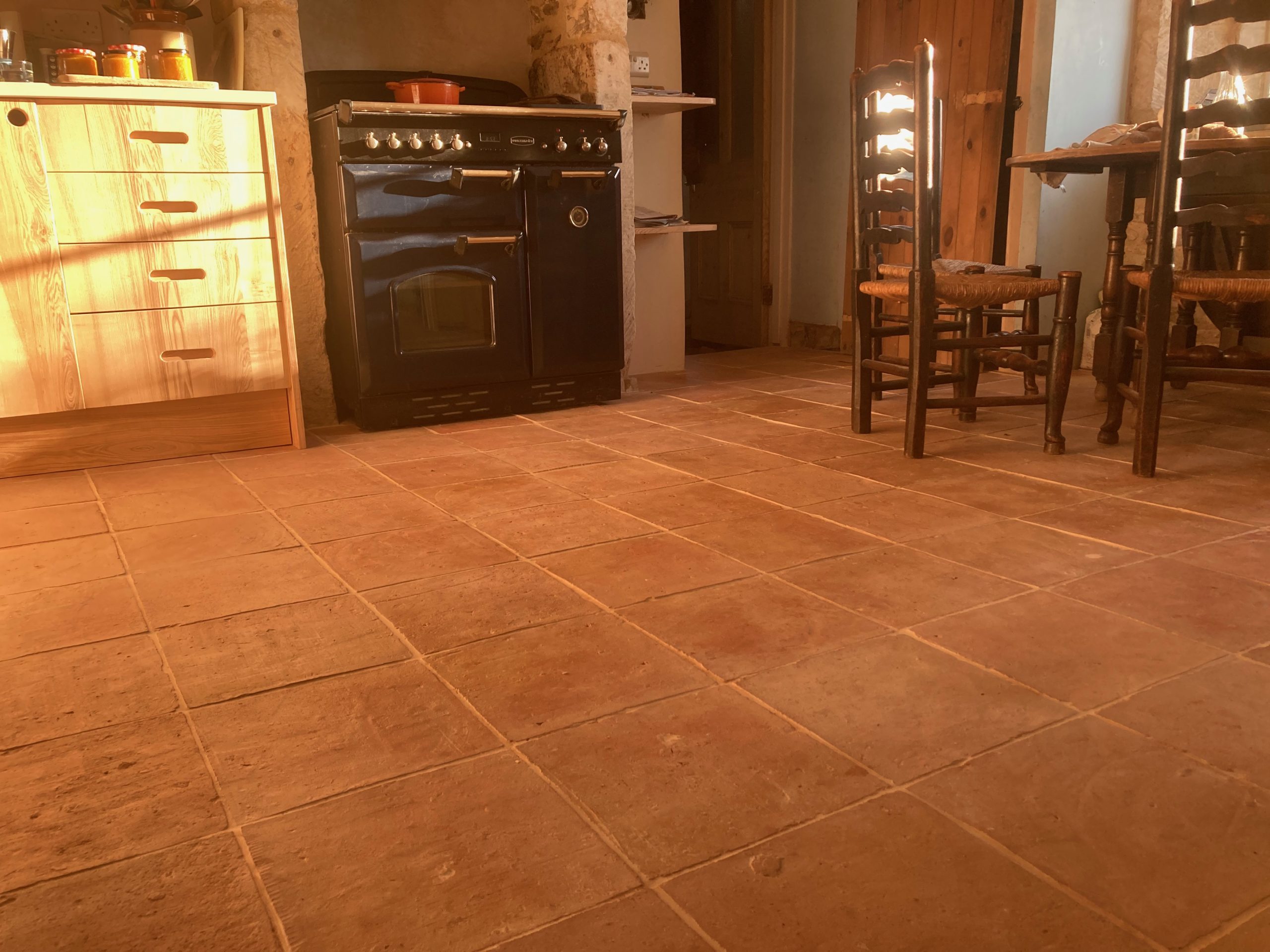
A single, well-proportioned beam above a fireplace can transform an otherwise ordinary room. In a farmhouse kitchen, it complements flagstones and shaker cabinetry. In a contemporary sitting room with a log burner, it softens black steel and crisp white walls. Within an inglenook, it feels entirely at home as though it has always been there.
The finish matters, though. A lightly planed and oiled beam suits modern interiors, while a more textured piece with visible saw marks lends depth to traditional schemes.
Exposed Ceiling Beams
Few features feel as architectural as a beamed ceiling. Whether structural or purely decorative, oak beams in interior design are frequently used overhead to draw the eye upward and give rooms more presence.
In open-plan kitchen-diners, beams bring intimacy to generous spaces. In modern extensions with vaulted ceilings, they temper expanses of glazing and plaster, creating contrast and warmth. The interplay between pale walls and honey-toned oak is particularly effective, especially when natural light picks out the grain.
The Subtlety of Floor-Level Detailing
In mezzanine spaces, exposed structural beams can become part of the aesthetic. Elsewhere, oak detailing between split levels or integrated into flooring transitions provides continuity through a subtle echo of the ceiling beams above.
Four Design Directions
Oak beams are remarkably adaptable, shifting character depending on context. Here are 4 of our favourite looks.
- Rustic Farmhouse
Here, texture reigns. Beams with visible knots and gentle irregularities. Finishes should be natural, allowing the timber to deepen over time. - Modern-Rustic
This is a more curated approach. Think clean-lined cabinetry and polished concrete floors, offset by the warmth of oak. The contrast is deliberate (crisp meets tactile) and the result is calm rather than cluttered. - Contemporary
In new builds, slimline beams can soften sharp architectural lines. Paired with glass balustrades, steel-framed doors and minimalist décor, oak becomes the counterpoint that stops a new space from feeling sterile. - Period-Style Homes
In Georgian and Victorian properties, restraint is often key. Oak beams should complement original cornicing, fireplaces and joinery, not compete with them. Match your finishes to existing woodwork to ensure harmony.
Practical Considerations
Oak may feel timeless, but it demands thoughtful specification.
Proportion and Scale
Beam size must suit the room. Oversized beams can overwhelm modest spaces, while narrow sections may look insubstantial and “off” in rooms with high ceilings.
Timber Grade and Drying
Green oak, air-dried oak and kiln-dried oak each behave differently. For interiors, properly dried timber reduces movement and minimises cracking. Some surface checking is natural — and often part of the appeal — but stability is essential.
Structural or Decorative
Load-bearing beams must comply with building regulations and should always be specified alongside a structural engineer. Decorative beams are lighter and simpler to install, offering visual impact without structural complexity.
Finishing
Oiled beams enhance depth and protect the wood’s surface. Wax offers a softer sheen. Painted finishes can work beautifully in contemporary schemes, particularly when aiming for a lighter, Scandinavian feel. Leaving oak untreated allows it to mellow naturally, though it will respond to light and environment over time.
Acclimatisation and Installation
Oak should be allowed to adjust to indoor conditions before fitting. Professional installation is advisable, particularly for structural applications. These are substantial elements, both visually and physically.
Creating a Cohesive Scheme
Oak beams rarely exist in isolation. Their success lies in how they relate to the rest of the interior. When paired with oak flooring, consistency of tone is important. Matching finishes create a seamless look, while subtle contrast adds depth.
Consider skirting, architraves, staircases and internal doors. Repeating oak in measured amounts prevents a room from feeling top-heavy or overly thematic. The aim is balance, not uniformity.
Cost, Sourcing and Timing
As with most natural materials, cost varies according to size, grade and specification. Standard sections are typically more economical, while bespoke beams — cut to precise dimensions — may require longer lead times.
Planning ahead is essential, especially if beams form part of a wider renovation schedule.
Living with Oak
One of oak’s great strengths is its durability. Indoors, it requires relatively little maintenance. Regular dusting, stable humidity and sensible ventilation in kitchens and bathrooms will help preserve its condition. Small cracks and surface movement are part of oak’s natural behaviour. If beams begin to look dry, a fresh coat of oil can restore richness and depth.
Over time, oak develops patina — a softening of tone that speaks of age and use.
Bring Enduring Character Home
Oak beams in interior design offer more than decoration. They provide structure, warmth and craft. Whether framing a fireplace, spanning a ceiling or quietly marking a threshold, they root a home in something solid and enduring.
FAQs
Are oak beams suitable for modern homes?
Absolutely. When balanced with clean lines and restrained palettes, oak beams bring warmth and contrast to contemporary interiors.
Do oak beams crack over time?
Minor cracks, known as shakes, are a natural characteristic of solid oak. Proper drying and acclimatisation help reduce excessive movement.
Are decorative oak beams cheaper than structural beams?
Yes. Decorative beams are lighter and do not carry load, making them more cost-effective and simpler to install.
How much do oak beams cost in the UK?
Costs depend on size, grade and finish. Larger structural beams and bespoke specifications command higher prices.
Can oak beams be painted?
They can. However, many homeowners prefer to oil or wax oak to highlight its natural grain and warmth.
What is the lead time for made-to-order oak beams?
Lead times vary by supplier and season. It is advisable to confirm availability early in the design process.
For those considering the addition of oak, working with experienced suppliers makes all the difference. Winkleigh Timber offers a considered range of quality oak beams, with guidance on sizing, finish and specification to ensure the result feels entirely at home in your space