
Spring has a way of making us look at the garden differently. The first warmer afternoon arrives, the patio furniture comes back out, and suddenly that unused corner of the garden starts to feel full of possibility.
A well-planned patio is not just somewhere to put a table and chairs. It can become the centre of the garden: a place for relaxed lunches, family gatherings, evening drinks and the first cup of tea outside after a long winter. The best patios feel settled into their surroundings, with solid materials underfoot and plenty of seasonal planting to bring them to life.
Start with a natural stone base
Natural stone slabs give a patio a permanence that manufactured alternatives can struggle to match. Every slab has its own markings, tones and texture, which means the finished space has character from day one and tends to look better as it becomes part of the garden.
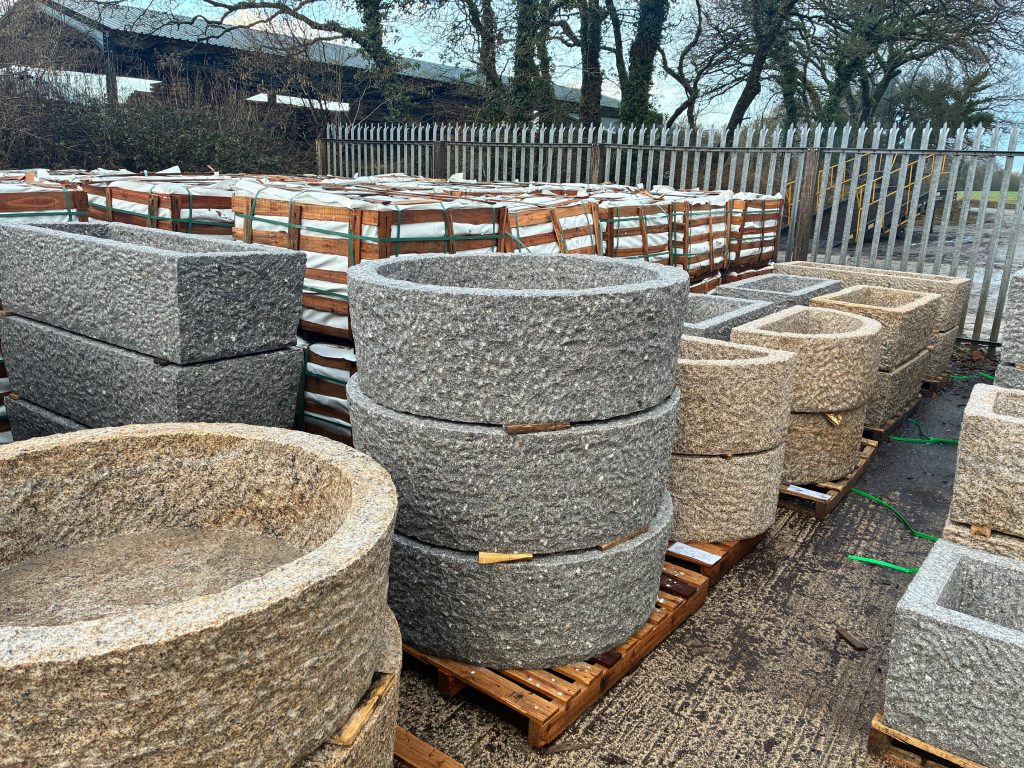
Granite is a strong choice for busy patios and more exposed areas. It is hard-wearing, practical and works particularly well in contemporary gardens or properties with existing granite details.
Sandstone has a warmer, softer appearance. Its natural colour variation can make a new patio feel less formal and is ideal for country gardens, cottages and homes where you want the paving to sit comfortably alongside planting.
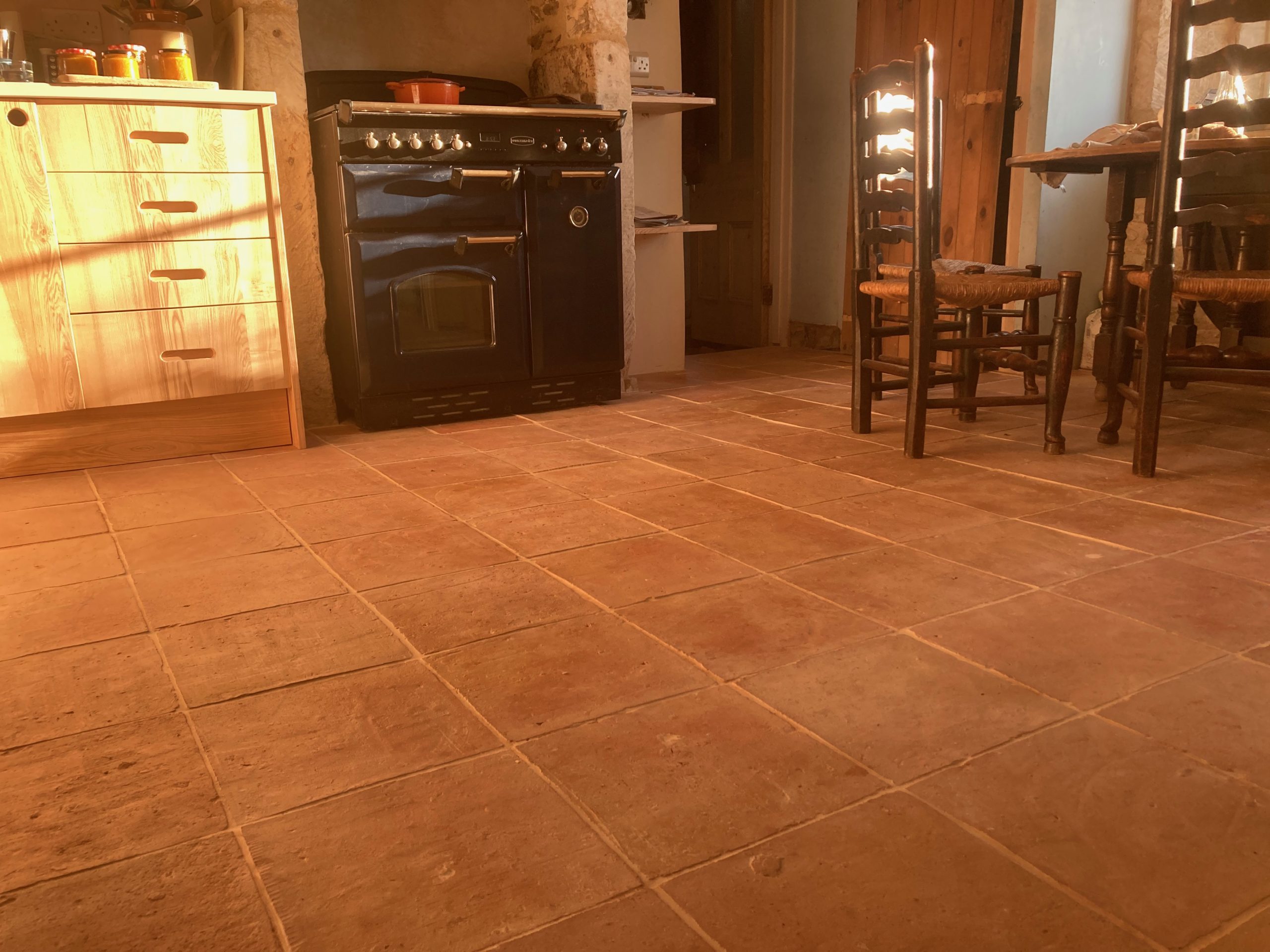
Limestone often gives a more understated finish, with gentle colours that suit both traditional and modern homes. Terracotta is another option worth considering, especially for sheltered patios, courtyards and conservatory spaces where you want warmth and a Mediterranean feel.
The right material comes down to the house, the amount of sun the area receives and how you plan to use it. Bringing a few samples home and looking at them in the actual light of your garden is always worthwhile.
Create space for how you live
Before choosing slab sizes or planting schemes, think about how the patio needs to work.
For entertaining, create a clear dining zone with enough room to pull chairs back comfortably. A dining table squeezed too close to a wall or border soon becomes frustrating. Leave space around the edge, particularly if you expect people to move between the kitchen, garden and seating area.
A separate seating area can make a patio feel more generous, even in a modest garden. This might be a bench tucked against a sunny wall, a pair of chairs facing the evening light, or a low lounge area set slightly away from the main table.
Curved edges are useful for softening a rectangular garden and can create more natural planting pockets around the patio. Mixing slab sizes can also make a larger paved area feel less rigid. Larger slabs give a clean, calm look, while smaller pieces around an edge or pathway can add detail without making the whole area feel busy.
Soften the stone with spring planting
Stone provides structure, but plants make the patio feel welcoming.
Large pots are one of the simplest ways to bring seasonal colour close to the house. Use a mixture of heights rather than lining up matching containers in a row. A tall pot with ornamental grasses or small evergreen shrubs can provide shape all year, while smaller pots can be changed with the seasons.
For spring, combine bulbs with early-flowering plants such as primroses, violas, hellebores and hardy herbs. Rosemary, thyme and sage are useful close to an outdoor dining area, as they smell good, look good and can be picked for cooking.
Tulips are brilliant for adding strong colour, while daffodils and narcissi bring a more relaxed spring feel. Crocus work well at the front of pots or planted in small groups near patio edges. Plant bulbs in layers during autumn: later-flowering tulips lower down, daffodils through the middle and crocus nearer the top. This gives you a longer run of colour rather than one short burst.
Make permanent materials work with seasonal colour
The strongest garden spaces balance materials that stay with planting that changes.
Your stone patio, paths and edging form the bones of the garden. Spring bulbs, flowering pots and fresh green foliage provide the lift. As the months move on, the same patio can take on a completely different feel with summer herbs, autumn grasses or winter evergreens.
A patio does not need to be complicated to work well. Good stone, a sensible layout and planting with a bit of movement and colour will create a space you genuinely want to use.
At Winkleigh Timber, we supply a wide range of natural stone, paving materials and garden features to help bring these ideas together. Visit us to see the materials in person and find the right starting point for your garden.
FAQs
What is the best natural stone for a patio?
Granite is particularly hard-wearing, sandstone offers warmer colour variation, and limestone creates a quieter, more refined finish. The best choice depends on the style of your home and garden.
Can natural stone slabs be used in a small garden?
Yes. Larger slabs can actually make a compact patio feel calmer and less cluttered, especially when laid with simple lines and narrow joints.
Which spring bulbs work best in patio pots?
Tulips, daffodils, narcissi and crocus are all good choices. Layering bulbs at different depths helps extend the flowering period.
How much space should I allow around a patio table?
Aim for around 90cm behind chairs where possible, so people can sit down and move around comfortably.
Do stone patios need much maintenance?
Natural stone patios are generally low maintenance. Regular sweeping, occasional washing and prompt removal of leaf debris will help keep the surface looking its best.