A good garden does not need to be rebuilt every few years. The most satisfying outdoor spaces are usually made from a few durable materials, thoughtfully placed, with room for plants to grow and change around them.
Oak sleepers are one of those materials. They are strong, natural and adaptable enough to suit everything from vegetable beds and garden steps to borders and retaining edges. Used properly, they can create structure in the garden without making it feel over-designed.
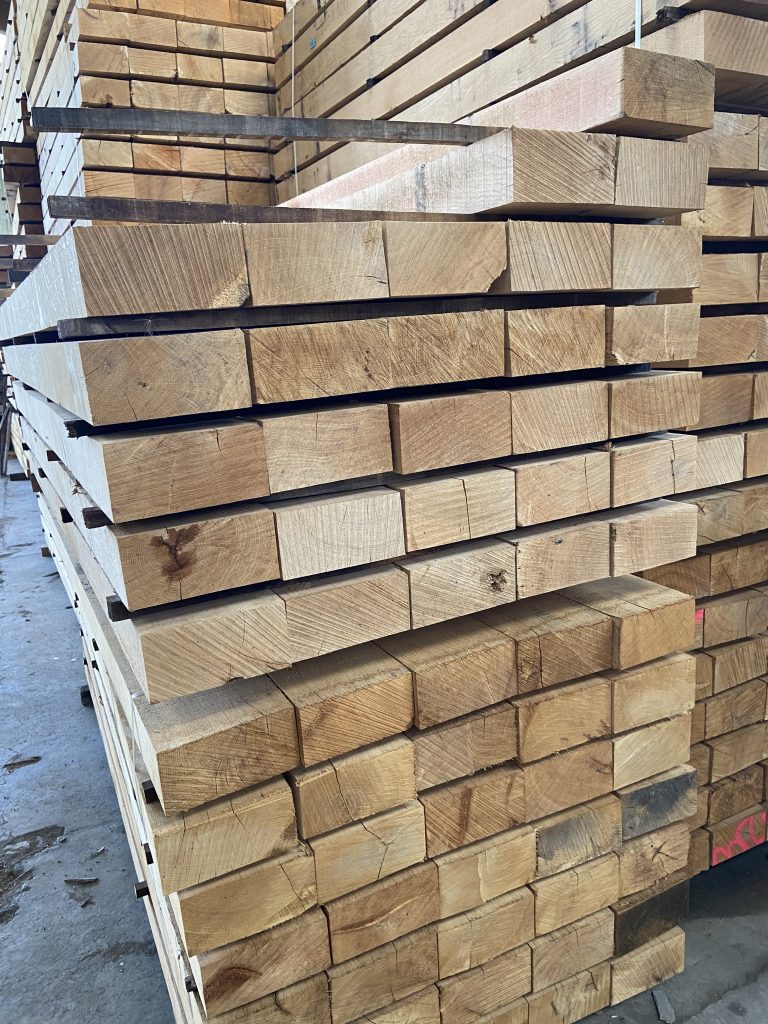
At Winkleigh Timber, our untreated oak sleepers are popular with homeowners, landscapers and gardeners looking for a long-lasting alternative to lower-grade softwood products.
Why choose oak sleepers over softwood?
Softwood sleepers can be useful for short-term projects, but oak has clear advantages where durability matters.
Oak is a hardwood, which means it has a denser structure and a natural resistance to decay. In an outdoor setting, this makes it far more capable of handling wet weather, temperature changes and contact with soil. It does not need chemical treatment to make it suitable for many garden projects, which is a major benefit for anyone building vegetable beds or planting areas.
Oak also has real visual appeal. Fresh-cut oak has a warm golden tone that gradually weathers to a silver-grey finish. Some people love this aged look, while others prefer to keep the timber closer to its original colour. Either way, it sits naturally alongside stone, gravel, brick and planting.
Landscape-grade oak sleepers can include natural features such as bark, checking and less-machined edges. That is part of their charm. They are designed for gardens, not for furniture-grade perfection.
Build practical raised beds
Raised beds are one of the most useful ways to improve a garden.
They give you control over soil quality, make growing vegetables and flowers easier to manage, and can be built at a height that reduces bending. They are particularly helpful in gardens with poor soil, heavy clay or awkward slopes.
Oak sleepers are ideal for raised beds because they are strong enough to hold back soil without looking bulky. A simple rectangular bed can be built with two or three sleeper courses, while a deeper bed can create a genuine growing area for potatoes, salads, herbs and cut flowers.
Position beds where they will receive enough sunlight and where you can easily reach them from all sides. Use a free-draining soil mix and avoid making beds so wide that the centre becomes difficult to maintain.
For edible planting, untreated oak is a sensible choice. It gives you the durability you need without introducing unnecessary treatments into the growing area.
Use sleepers to make garden steps
Sloping gardens can be difficult to use, especially after rain. Oak sleeper steps offer a straightforward way to create safer access while adding definition to the landscape.
Each step needs a firm base and proper anchoring. Sleepers can shift over time if they are simply laid onto loose ground, so preparation matters. Dig into the slope, compact the base and use suitable fixings or stakes where needed.
Drainage should be considered from the start. Water needs somewhere to go, particularly on clay ground or in shaded areas. Gravel behind and beneath the sleeper structure can help reduce standing water and improve stability.
Oak steps work particularly well with gravel paths, stone paving and planted banks. Instead of fighting a slope, they turn it into a feature.
Define borders with oak edging
Garden edging is often overlooked, but it makes a noticeable difference.
Oak sleepers can create clean borders between lawns, paths, planting beds and gravel areas. They stop loose material spreading where it should not, protect lawn edges from damage and make maintenance easier.
Set sleepers upright for a more prominent border, or lay them flat for a lower, simpler edge. Curves are possible, but straight runs tend to make the best use of the timber and are easier to install securely.
Use the spaces around oak edging to support wildlife-friendly planting. Drought-tolerant perennials, pollinator-friendly flowers, grasses and herbs can all work well alongside the warmth of timber. This helps reduce water demand while giving bees and other insects more to feed on through the season.
A garden built to last
Sustainability is not only about buying a material labelled as environmentally friendly. It is also about choosing something that will keep doing its job for years.
Oak sleepers are naturally durable, versatile and suited to a wide range of practical garden projects. From raised beds and edging to steps and retaining features, they help create a garden with strong foundations and plenty of room for life.
At Winkleigh Timber, we stock untreated oak sleepers in a range of lengths and can also offer machining to size for suitable projects. Visit us or get in touch to discuss what will work best for your garden.
FAQs
Are oak sleepers safe for vegetable beds?
Untreated oak sleepers are a good option for vegetable beds because they do not require chemical treatment for outdoor garden use.
How long do oak sleepers last in the garden?
Oak is naturally durable and can last considerably longer than many softwood alternatives. Lifespan depends on ground conditions, drainage and installation.
Can oak sleepers be used for garden steps?
Yes. Oak sleepers are well suited to steps on sloping ground, provided they are installed on a secure base and properly anchored.
Do oak sleepers need treating?
Untreated oak sleepers are naturally durable and do not usually require treatment for standard external garden projects.
Can sleepers be used as garden edging?
Yes. They can be laid flat or positioned upright to create strong, tidy edges around lawns, paths, borders and gravel areas.